Water Monitoring Holes in Far North Queensland

Precision Drilling for Water Data


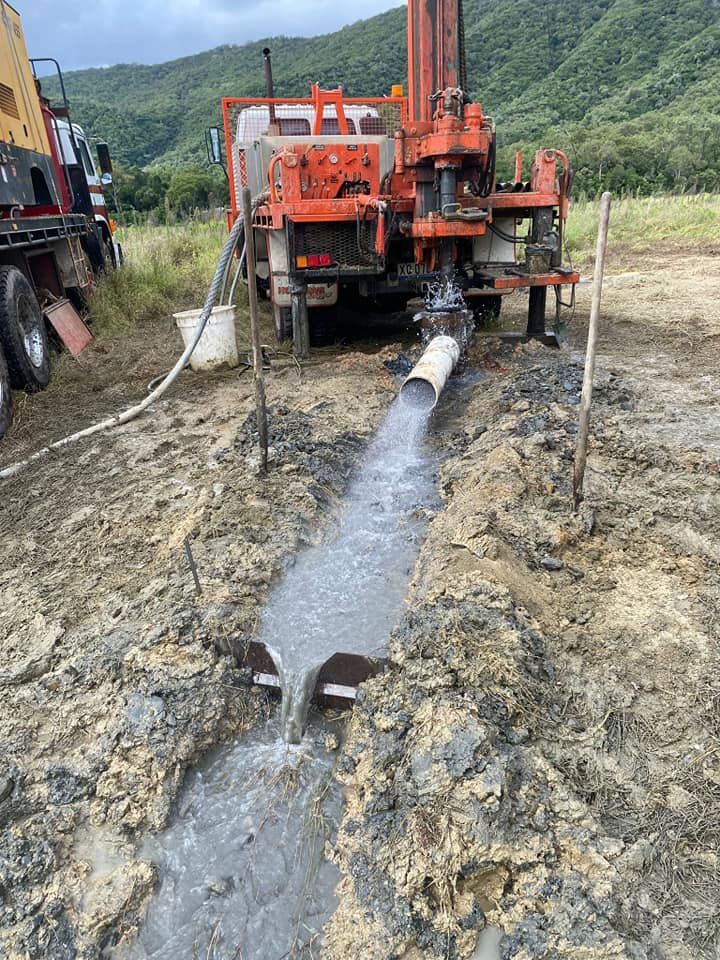
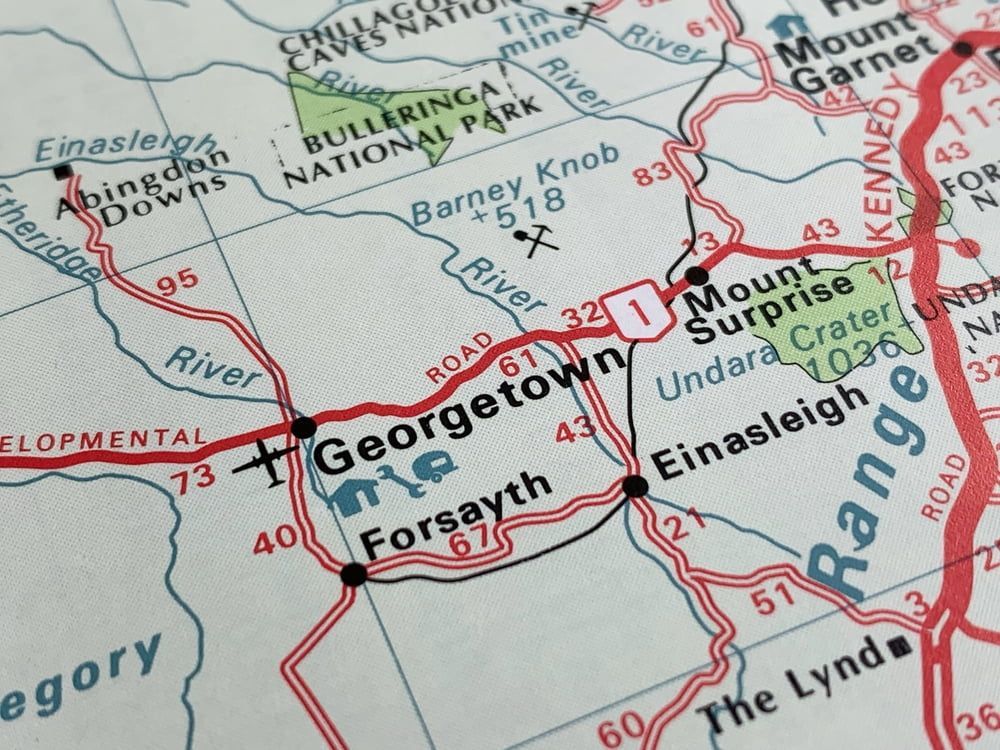
Reliable groundwater data starts with quality drilling, and FNQ Drilling delivers purpose-built water monitoring holes across Far North Queensland. We work throughout Cairns, Georgetown, Tully, Innisfail, Babinda, Mareeba and Atherton, providing solutions that support accurate groundwater tracking and reporting.


Also known as groundwater monitoring bores, these holes are essential for assessing water levels and quality over time. Whether you’re managing a property or planning a development, FNQ Drilling uses methods suited to the local landscape. Every job is carried out with care by an experienced team that understands the unique demands of the region.


To learn more or organise a quote, call FNQ Drilling on 0458 426 073. We’re ready to support your next monitoring project.
Get in Touch

Why We Stand Out


Here’s what makes our team a trusted choice for groundwater monitoring across the region:


  • We’ve been supporting Far North Queensland communities since 2019 with reliable, professional drilling services.
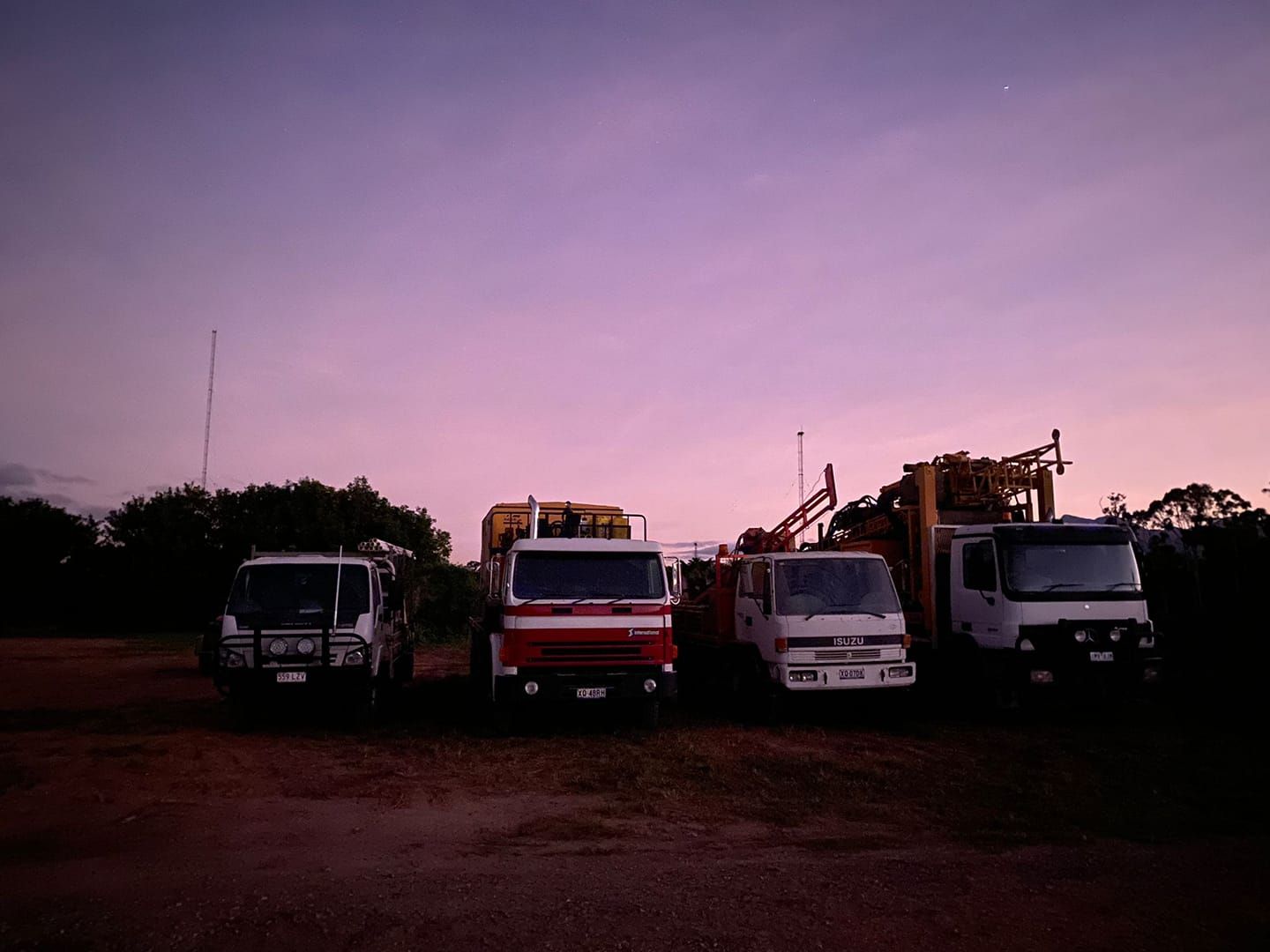
  • Our compact, manoeuvrable vehicles can access remote or confined sites that others often can’t.
  • Each bore is designed with care to suit the unique requirements of your land or project.
  • We’re fully licensed and follow best practices to ensure accuracy and long-term reliability.
  • We work efficiently and respectfully, keeping disruption on-site to an absolute minimum.
  • From planning to completion, we keep you informed and make the process straightforward.


Give us a call today to organise a quote or learn more about our groundwater monitoring solutions.
Reach Out

Frequently Asked Questions


  • What is a water monitoring hole and what is it used for?

    A water monitoring hole, also known as a groundwater monitoring bore, is a purpose-drilled hole used to observe and measure groundwater conditions. These bores help monitor water levels, quality, and potential changes in the underground water table over time. They're commonly used in environmental studies, land development, agriculture, and compliance reporting. By installing monitoring holes, landowners, developers and regulators can better understand aquifer behaviour, detect contamination risks and track seasonal or long-term shifts in groundwater. This information supports informed decision-making around water usage, site planning and environmental protection, especially in areas where groundwater is a key resource for residential, agricultural or commercial use.

  • How deep are water monitoring holes usually drilled?

    The depth of a water monitoring hole depends on the site’s geological conditions and the purpose of the bore. In some cases, shallow monitoring holes may be sufficient to observe surface-level aquifers, while other projects may require bores to reach depths of 50 to 100 metres or more. Factors such as soil type, water table depth, intended use, and regulatory requirements all play a role in determining the final depth. An experienced driller will assess the conditions on-site and recommend the most suitable depth for accurate, long-term monitoring. Deeper bores may include casing and screens to target specific groundwater zones for sampling.

  • Do water monitoring bores require maintenance?

    Yes, regular maintenance is important to ensure that water monitoring bores remain accurate and in good condition. Over time, bores can become blocked by sediment, mineral build-up or debris, which may affect readings or restrict access. Occasional cleaning helps preserve bore function, especially if the bore is used for water quality sampling. Covers and surface seals should also be checked to prevent contamination from surface water or animals. A well-maintained bore will provide more reliable data over the long term and reduce the need for costly repairs or replacements. Scheduling inspections as part of routine monitoring is a good practice for most sites.

Ask a Question

Locations We Service